

I VISITED 50+ BUSINESSES IN 2 MONTHS. HERE'S WHAT INDIAN MANUFACTURERS ACTUALLY STRUGGLE WITH (IT'S NOT WHAT YOU THINK)


When I started doing B2B outreach at TEPCO HEALTH, I expected to spend most of my time convincing businesses to buy our products.
That's not what happened.
Instead, I spent most of my time listening. Business owners, purchase managers, factory supervisors, shop floor workers — everyone had something to say once they realized I wasn't just another salesperson with a brochure.
Over two months, I visited more than 50 businesses across Chandigarh, Mohali, Panchkula, and surrounding areas. Physiotherapy clinics. Medical stores. Hospitals. Rehabilitation centers. Gyms. Corporate wellness programs.
Different industries. Different sizes. Different owners. But the same five problems kept appearing — across almost every business I walked into.
And here's what surprised me: not one of them was the problem I went in expecting to solve.
━━━━━━━━━━━━━━━━━━━━━━━━━━━━━━━━━━━━━━━━━
WHAT I EXPECTED VS WHAT I FOUND
Before I started the visits, I had a theory about what businesses struggled with.
Product quality.
Pricing.
Finding reliable suppliers.
Managing delivery timelines.
These are the obvious problems. The ones that come up in every business article and every startup pitch. They came up occasionally in my visits. But they weren't what kept business owners up at night.
What actually came up — again and again, in different words, from different people, in different industries — was something more fundamental.
They were busy. Extremely busy. But not growing.
Revenue was roughly the same as last year. Sometimes slightly up. Sometimes slightly down. But essentially flat, despite working harder than ever.
When I started asking why, five patterns emerged.
━━━━━━━━━━━━━━━━━━━━━━━━━━━━━━━━━━━━━━━━━
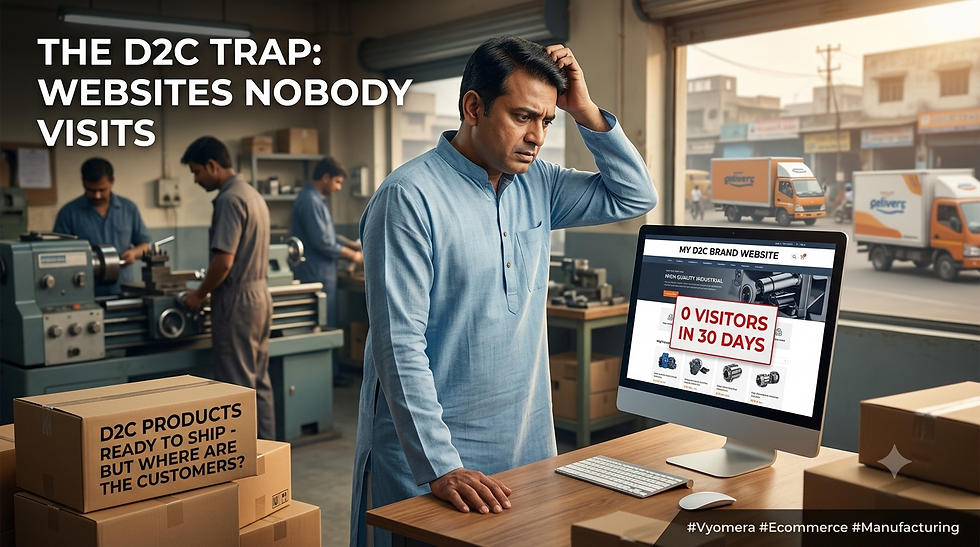
PATTERN #1: THEY WERE COMPLETELY INVISIBLE ONLINE
This was the most consistent finding across every category I visited.
Of the 50+ businesses I walked into...
Fewer than 12 had a functional website
Fewer than 8 had an updated Google Business Profile
Almost none were selling online.
When I searched for their business category on Google while standing in their shop or clinic — sometimes literally showing them on my phone — their competitors appeared. They did not.
One physiotherapy clinic owner had been running his practice for nine years. Excellent reputation in his local area. Fully booked on most days through word-of-mouth referrals.
I searched "physiotherapy clinic Mohali" on Google Maps while sitting across from him. Seven clinics appeared. His wasn't one of them. He went quiet for a moment. Then said: "I never thought about it that way."
He had been so focused on serving existing patients that he never considered how new patients — people who didn't already know him — would find him.
This pattern repeated across almost every business I visited...
Manufacturers who had been supplying local distributors for years with no online presence.
Retailers with loyal local customers but zero visibility to anyone searching online.
Service providers whose reputation existed entirely through personal referrals and nothing else.
The painful reality: every day, potential customers were searching online for exactly what these businesses offered. And finding someone else.
Not because competitors were better. Because competitors were visible.
━━━━━━━━━━━━━━━━━━━━━━━━━━━━━━━━━━━━━━━━━
PATTERN #2: THEY WERE ENTIRELY DEPENDENT ON 2-3 CUSTOMERS OR CHANNELS
At least 30 of the 50+ businesses I visited had one thing in common: more than 60% of their revenue came from two or three sources.
Two major distributors.
Three corporate accounts.
One hospital that placed regular bulk orders.
On the surface this looks fine. Consistent revenue. Long relationships.
Underneath: extreme fragility.
One manufacturer I visited supplied primarily to a single large retailer. That retailer represented 70% of his monthly revenue. The relationship had been stable for six years.
Then the retailer renegotiated terms...
Extended payment from 30 days to 75 days.
Demanded a 12% discount on the existing price.
Threatened to find an alternative supplier.
The manufacturer had no leverage. He accepted the terms. His cash flow went from manageable to painful overnight.
He told me: "I knew I was too dependent on them. I just never had time to build other channels."
This is the trap of comfortable dependency. When revenue is stable, diversification feels unnecessary. When the concentrated customer or channel exerts pressure, you're already too dependent to push back.
The businesses I visited that had the healthiest operations
- calm owners, sustainable margins, genuine confidence
- were the ones with four, five, six different revenue sources.
- No single customer or channel controlled their business.
━━━━━━━━━━━━━━━━━━━━━━━━━━━━━━━━━━━━━━━━━
PATTERN #3: THEIR COSTS HAD NEVER BEEN PROPERLY AUDITED
This one surprised me the most.
Business owners who had been operating for five, ten, fifteen years — running profitable operations — who had never done a systematic review of what things actually cost them.
They knew their...
Headline numbers
Monthly revenue
Major expenses
Rough profit.
Facts
They did not know their cost per unit after factoring in all overheads.
They did not know which product lines were actually profitable and which were subsidizing losses. They did not know how their supplier pricing compared to current market rates.
One manufacturer was buying raw material from the same supplier at the same price structure he'd negotiated four years ago. I asked when he'd last gotten competitive quotes.
"We have a good relationship with our supplier," he said. "I wouldn't want to disturb that."
I suggested getting three quotes — not to switch suppliers, just to understand the market. He agreed reluctantly.
The competitive quotes came back 22% lower for equivalent specifications.
Four years of paying 22% above market. On monthly purchases of ₹8 lakh, that was approximately ₹21 lakh in excess costs annually.
He had a good relationship with his supplier. The supplier had a better relationship with his margin.
━━━━━━━━━━━━━━━━━━━━━━━━━━━━━━━━━━━━━━━━━
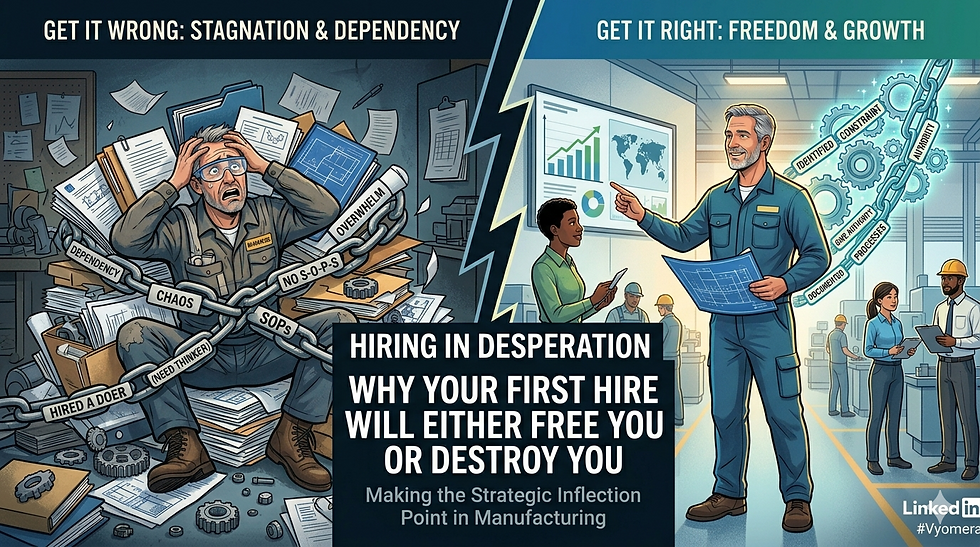
PATTERN #4: THEY WERE DOING EVERYTHING THEMSELVES
The fourth pattern was the one that concerned me most, because it was the hardest to fix.
Owners who were personally involved in every decision...
Every purchase order
Every customer complaint
Every delivery issue
Every staff conflict.
They were the...
Operations Manager
Sales Head
Quality Controller
Accountant, and
Delivery Coordinator simultaneously.
When I asked about growth plans, the honest answer from most of them was: "I'd like to grow, but I don't have time."
They didn't have time because they hadn't built systems.
And they hadn't built systems because they didn't have time.
This circular trap keeps more Indian businesses small than any market condition or competition.
One business owner I visited — running a mid-sized medical equipment distributorship — told me he worked from 8 AM to 9 PM every day including Sundays. He'd been doing this for eleven years.
His business hadn't grown meaningfully in the last three.
Not because demand wasn't there...
Because he was the bottleneck
Every decision flowed through him
Nothing moved when he wasn't available
He couldn't take a week off without things falling apart.
He wasn't running a business. He was doing a very intense job that he happened to own.
The businesses that were genuinely growing among the 50+ I visited shared one characteristic: the owner was spending time working on the business, not just in it.
They had people handling day-to-day execution. The owner was focused on strategy, relationships, and new opportunities.
This requires giving up control. Most owners I met were not ready to do that — even though holding control was directly limiting their growth.
━━━━━━━━━━━━━━━━━━━━━━━━━━━━━━━━━━━━━━━━━
PATTERN #5: THEY HAD NO PLAN FOR THE NEXT 12 MONTHS
The fifth pattern was the quietest one — but perhaps the most telling.
When I asked business owners where they wanted to be in 12 months, the most common answer was some version of: "More sales. Better margins. Less stress."
Not wrong. But not a plan.
A plan has specifics...
Which new customer segments to target
Which new channels to add
Which costs to reduce and by how much
Which team additions to make
Which months are typically slow and what to do about it.
Without a specific plan, growth becomes accidental. You take whatever opportunities appear. You react to problems as they come. You end up roughly where you are now, with minor variations.
The businesses I visited that were genuinely building something — not just running operations — had clarity about direction. Not perfect plans. Not elaborate strategy documents. But a clear answer to: what specifically will be different in 12 months, and what will we do to get there?
That clarity drove different daily decisions...
Different conversations with suppliers
Different conversations with customers
Different conversations with their team.
Without that clarity, every day looked the same.
━━━━━━━━━━━━━━━━━━━━━━━━━━━━━━━━━━━━━━━━━
THE THREAD CONNECTING ALL FIVE
After 50+ visits and hundreds of hours of conversations, I kept looking for the common thread.
These weren't failing businesses. Most were profitable. Most had been operating for years. Most had good reputations in their local markets.
But almost all of them were stuck at the same level. Not because of bad products, bad markets, or bad luck.
Because of invisible problems that never felt urgent enough to fix.
Zero online presence doesn't feel like a crisis when existing customers keep coming back.
Concentrated revenue doesn't feel dangerous when those two big customers are happy.
Unaudited costs don't feel expensive when the business is profitable overall.
Owner dependency doesn't feel like a problem when you're the best person for every job.
No clear plan doesn't feel limiting when you're busy every day.
None of these feel like emergencies. So they don't get treated like emergencies. They quietly limit growth year after year while the owner works harder and wonders why the needle isn't moving.
━━━━━━━━━━━━━━━━━━━━━━━━━━━━━━━━━━━━━━━━━
WHAT CHANGED FOR THE ONES WHO FIXED THESE THINGS
Not every business I visited stayed stuck.
A few took action on what we identified together. Of those, the results were consistent.
The clinic that had zero online presence got a Google Business Profile set up. Within 60 days they had four new patients who found them through Google search — all of whom had been searching for "physiotherapy near me" for months without finding them.
The manufacturer overdependent on one retailer started building a parallel online channel. Six months later, the retailer's pressure felt different — because he had options.
The business owner who had never audited costs ran competitive quotes on his top three raw material inputs. Saved ₹14 lakh annually — same suppliers, just better-negotiated terms.
None of these were dramatic transformations. They were specific fixes to specific problems that had been sitting unaddressed for years.
The fixes were not complicated. The decision to look honestly at the problems was the hard part.
━━━━━━━━━━━━━━━━━━━━━━━━━━━━━━━━━━━━━━━━━
Which of these five patterns feels most familiar to your business right now? Drop it in the comments — I read every one.
Comments